We Know Firsthand How Confusing Fire Safety Can Be
Many of our clients—homeowners and business owners alike—have felt overwhelmed by changing regulations and endless fire alarm options. We’ve been there, too. Years ago, Paul Eden realised just how many people struggled to find reliable, user-friendly fire protection. That’s why Eden Fire & Security Services is here: to simplify your journey toward a safer, more compliant property.
Quick Guide: Types of Fire Detectors
Ionisation Smoke Alarms
Best for:
Fast-flaming fires (paper, wood).
How They Work:
Sensitive to tiny smoke particles, reacting quickly to fast-burning flames.
Benefit:
Cost-effective, early warning for sudden fires.
Photoelectric (Optical) Alarms
Best for:
Slow, smouldering fires (fabric, lingering smoke).
How They Work:
Detect larger smoke particles, producing few false alarms.
Benefit:
Reliable for areas prone to slow-build fires, like bedrooms or living rooms.
Ionisation/Photoelectric (Multi-Sensor) Alarms
Best for:
Covering a broad range of fire types.
How They Work:
Combine ionisation and optical sensors (and sometimes heat).
Benefit:
Faster reaction to both slow and fast fires, recommended for most rooms under BS 5839-6:2019+A1:2020.
Heat Detectors
Best for:
Kitchens, garages, dusty/steamy areas.
How They Work:
Triggered by rising temperature rather than smoke.
Benefit:
Minimises false alarms while still providing protection.
Don’t Forget Carbon Monoxide (CO) Detectors
Under the Smoke and Carbon Monoxide Alarm (Amendment) Regulations 2022, landlords must install CO alarms near any fuel-burning appliance.
Place them 1–3m from potential CO sources, at breathing height if no appliance is present in the room.
Local authorities can issue fines up to £5,000 for non-compliance, so it pays to stay covered.
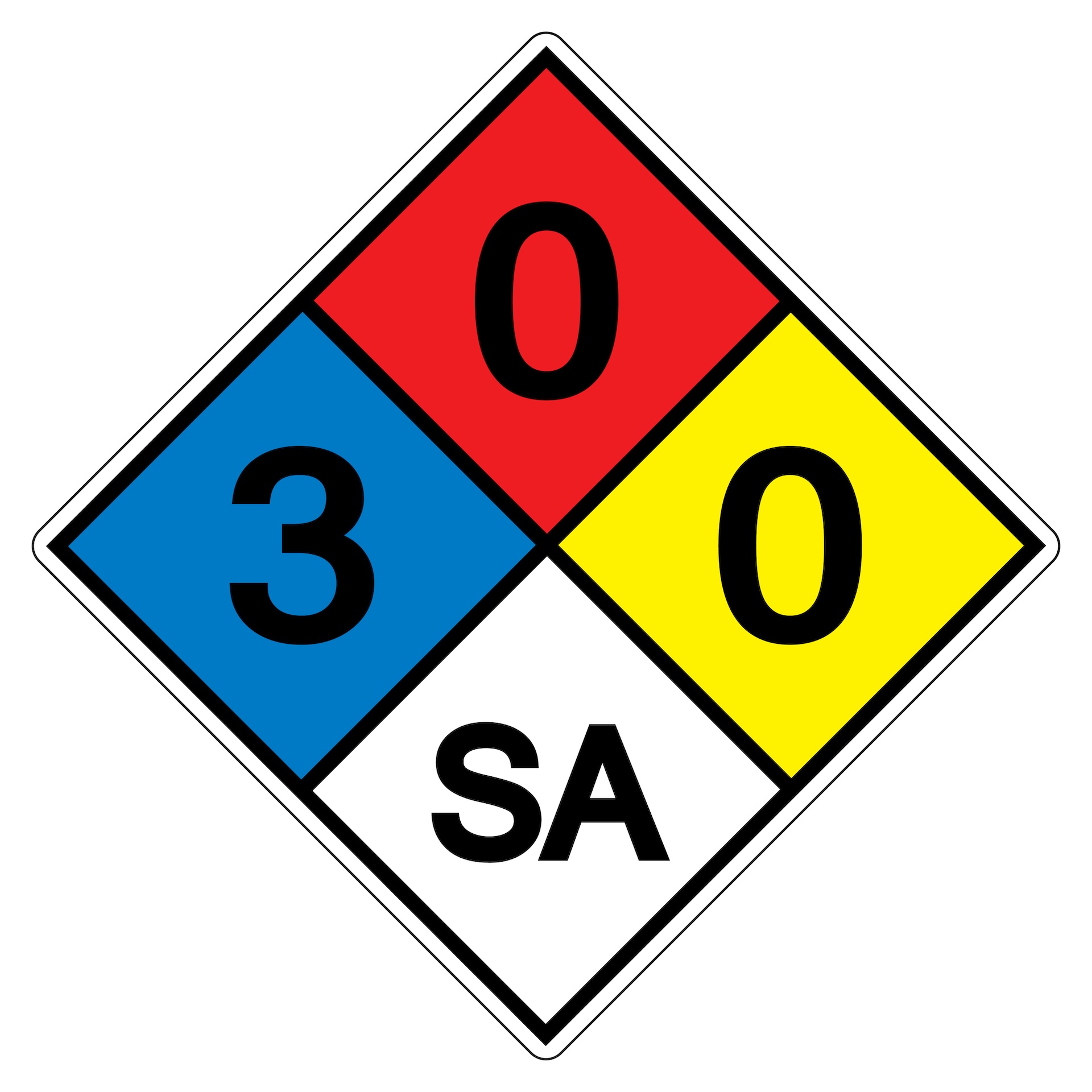
NFPA Diamond 704 3-0-0 SA warns of severe health risks (3), no flammability (0), and no reactivity (0), with SA signaling a simple asphyxiant hazard. If you spot this sign, installing a carbon monoxide detector helps protect occupants from harmful gases. CO is invisible; detection is crucial. Use with smoke alarms now!
Frequently Asked Questions
What are the 4 main types of fire alarm systems?
The four commonly referenced types include conventional, addressable, intelligent, and wireless systems. Each varies in complexity, cost, and monitoring capabilities.
What are L1, L2, and L3 fire alarm systems?
These British Standard (BS 5839) categories indicate coverage levels:
- L1: Maximum coverage throughout the entire building.
- L2: Automatic detection on escape routes plus high-risk areas.
- L3: Detection on escape routes and rooms leading onto them.
What are the 3 main types of alarms?
Generally, these refer to smoke alarms, heat detectors, and carbon monoxide alarms. Within smoke alarms, you’ll find sub-types like ionisation, photoelectric, and multi-sensor.
What are the different types of fire alarm devices?
They include manual call points, audible sounders, visual beacons, smoke detectors, heat detectors, and multi-sensor devices—each designed to detect or alert you in different scenarios.
Selecting & Installing Smoke Alarms
We understand how daunting it can be for housing providers and M&E contractors to navigate the rules around fire safety—especially with evolving regulations like the Smoke and Carbon Monoxide Alarm (Amendment) Regulations 2022. These laws aren’t just tick-box exercises; they’re essential steps toward protecting tenants, especially in social housing. That’s why we focus on making installation guidelines simple and practical.
Pick the Right Alarm, Every Time
Check for Compliance:
Ensure the alarm meets British Standards (BS 5446 Part 1) for self-contained units. Look for a Kitemark or CE mark to confirm quality.
Match Your Power Needs:
Mains, battery-only, or hybrid? Go for what suits the property’s infrastructure and occupant requirements.
Consider Interlinked Alarms:
Wireless (RF) or hard-wired options keep everyone in the loop—especially vital for multi-storey properties.
Correct Placement Saves Lives
Each Storey:
By law, every floor with living spaces must have at least one smoke alarm.
High-Risk Spaces:
Kitchens are often best served by heat alarms to reduce false triggers, while hallways and bedrooms typically benefit from optical or multi-sensor units.
Compliance with BS 5839-6:
This standard offers the gold-standard blueprint for domestic alarm installations. Lean on it to reassure yourself—and any inspectors—that you’re doing the job right.
Ease of Maintenance & Testing
Simple User Interfaces:
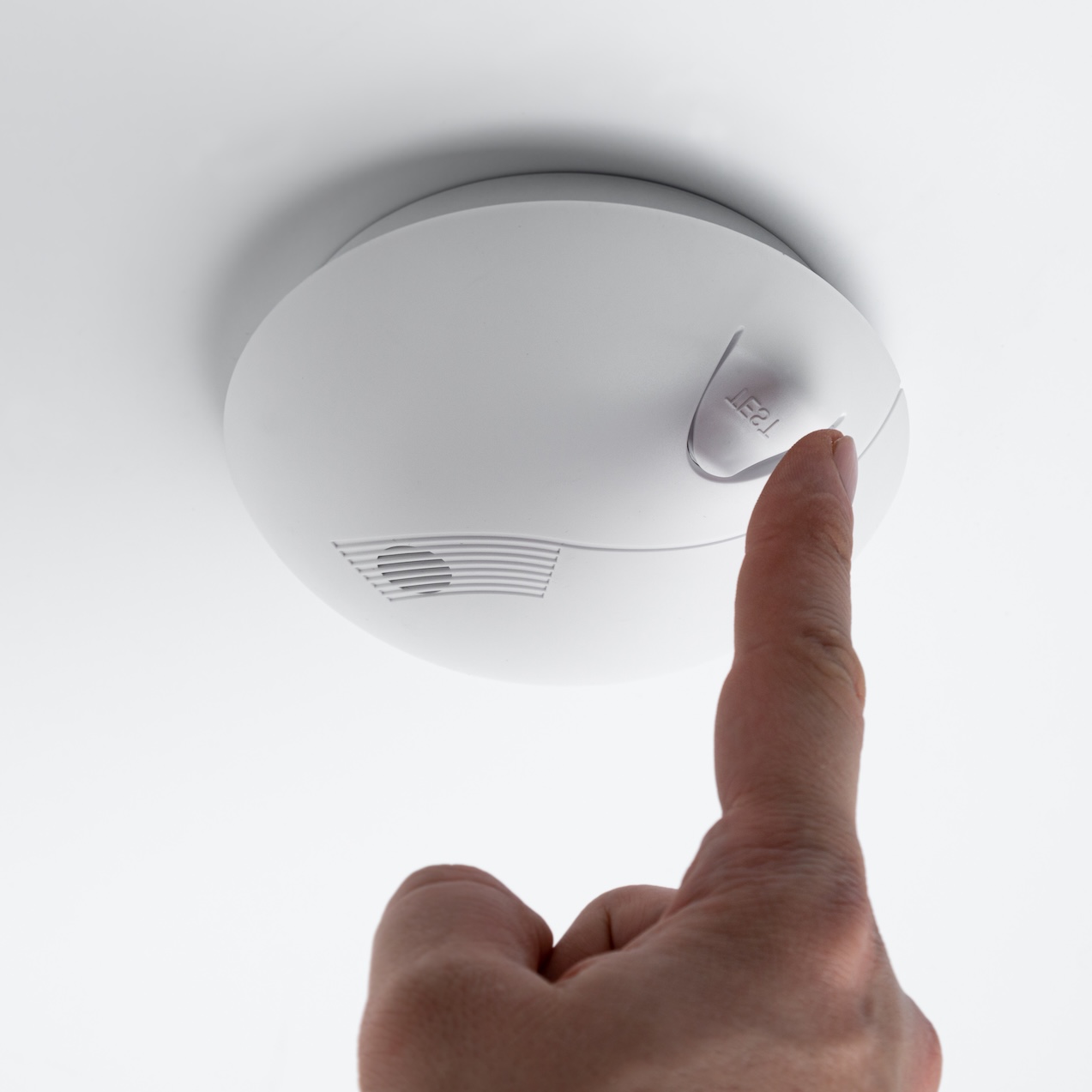
Systems with a control unit or straightforward test buttons help tenants keep alarms in working order, no ladder-climbing is required.
Thoughtful Accessories:
For vulnerable occupants, easy-press test switches or remote checks make a world of difference.
Weekly or Monthly Checks
System Grade Matters:
BS 5839-6 specifies that certain grades (like a Grade A system with a control panel) should test at least one detector a week. For smaller dwellings, monthly checks may be sufficient—but consistency is key.
Tenant Involvement:
Encourage occupants to test alarms regularly, typically once a month, and to report any beeping or chirping promptly.

Routine Cleaning
Vacuum with a Soft Brush:
Monthly, gently remove dust or cobwebs from vents to keep sensors accurate.
No Harsh Chemicals:
Cleaning sprays may damage internal components, leading to false alarms or system failures.
Simple Servicing
Annual Inspections:
Combine smoke alarm checks with yearly gas or electrical tests. Landlords who schedule these simultaneously often have fewer maintenance surprises.
Swift Repairs & Replacements:
Once informed that an alarm is faulty or damaged, landlords must act quickly—or risk a fine of up to £5,000. A prompt response isn’t just good practice; it’s the law.

User-Friendly Upgrades
Smart Control Units:
Systems that let you test, silence, or monitor alarms from one central panel are game-changers, especially for larger properties.
Sealed-for-Life Batteries:
Minimises the risk of tenant tampering or forgetting to replace batteries.
Remember
A well-maintained alarm not only keeps you compliant but also provides genuine peace of mind. And at Eden Fire & Security, we’re always here to help with product advice or maintenance tips, making sure you have an alarm system that protects your tenants without adding extra stress to your day.
Need Further Guidance on Fire Safety?
If you’re still feeling unsure about British Standards or the latest legal requirements, don’t hesitate to reach out. Eden Fire & Security has spent over 30 years guiding landlords, housing associations, and homeowners through practical fire safety solutions. From specifying the right alarms to planning routine checks, we’ll help you safeguard your properties and give occupants the confidence they deserve.
Get in Touch Today or call us at 0330 4000409 for fire alarm installation and maintenance services. We’re just a click away, ready to make your fire safety journey simpler and more secure.
Follow the Story